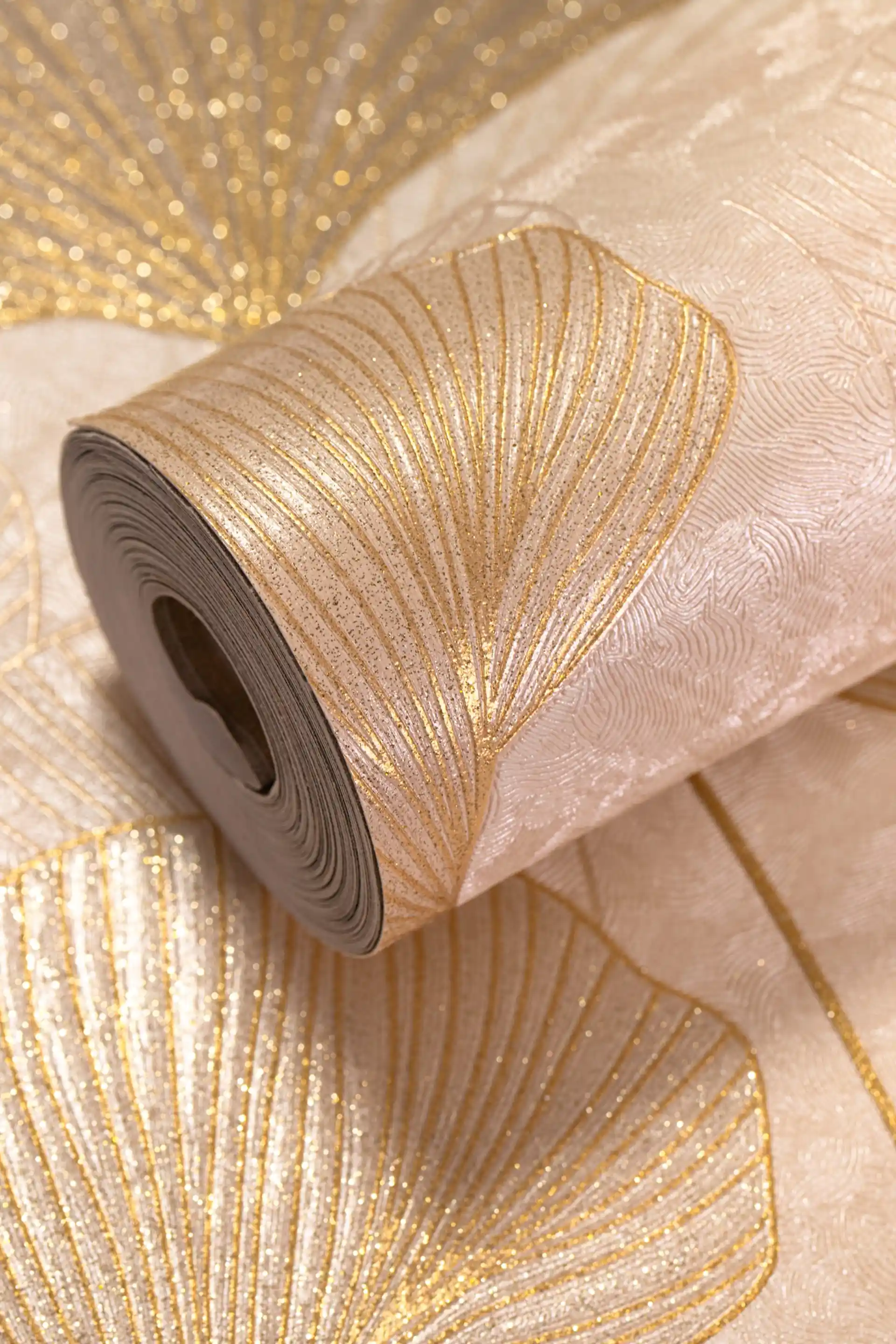
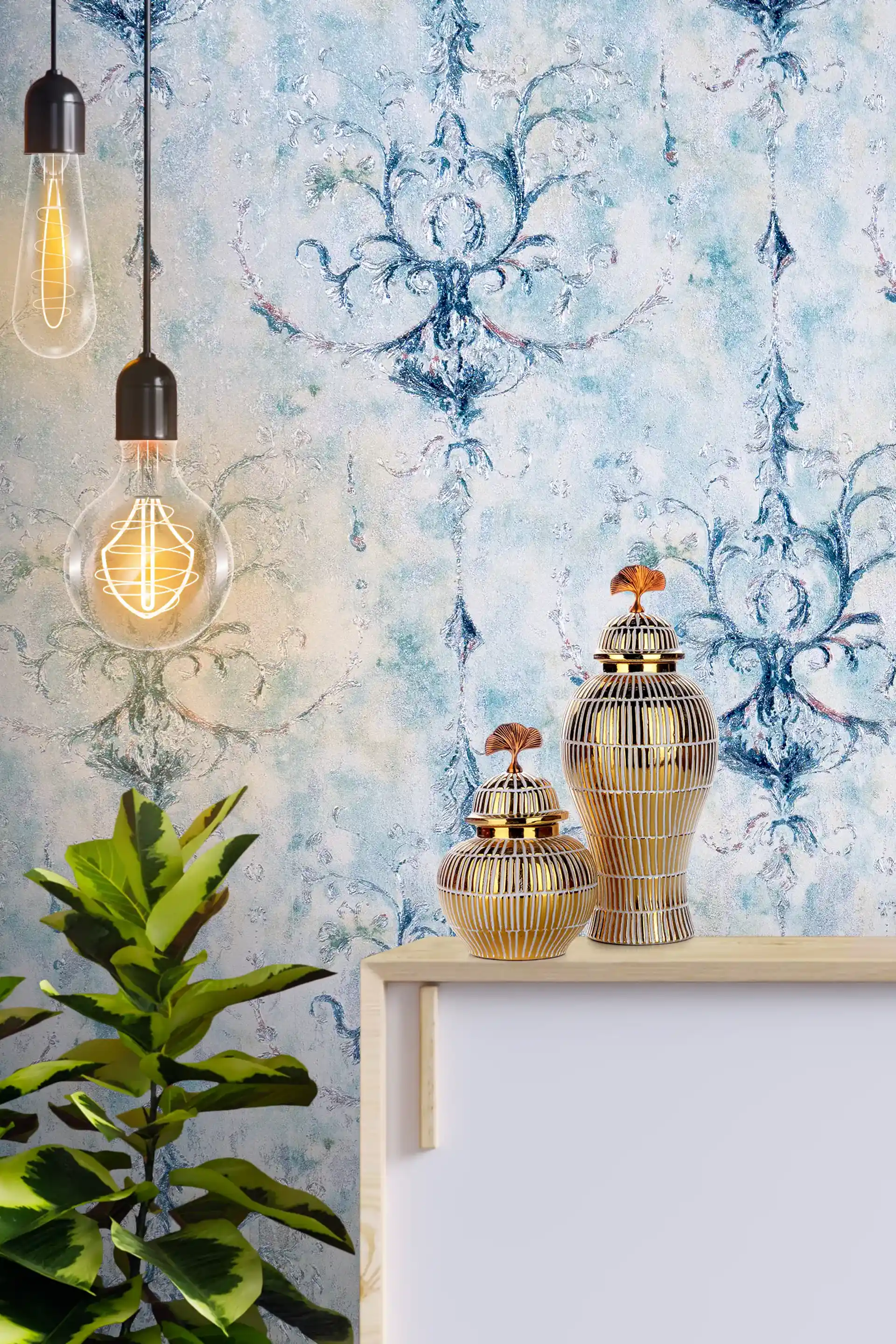
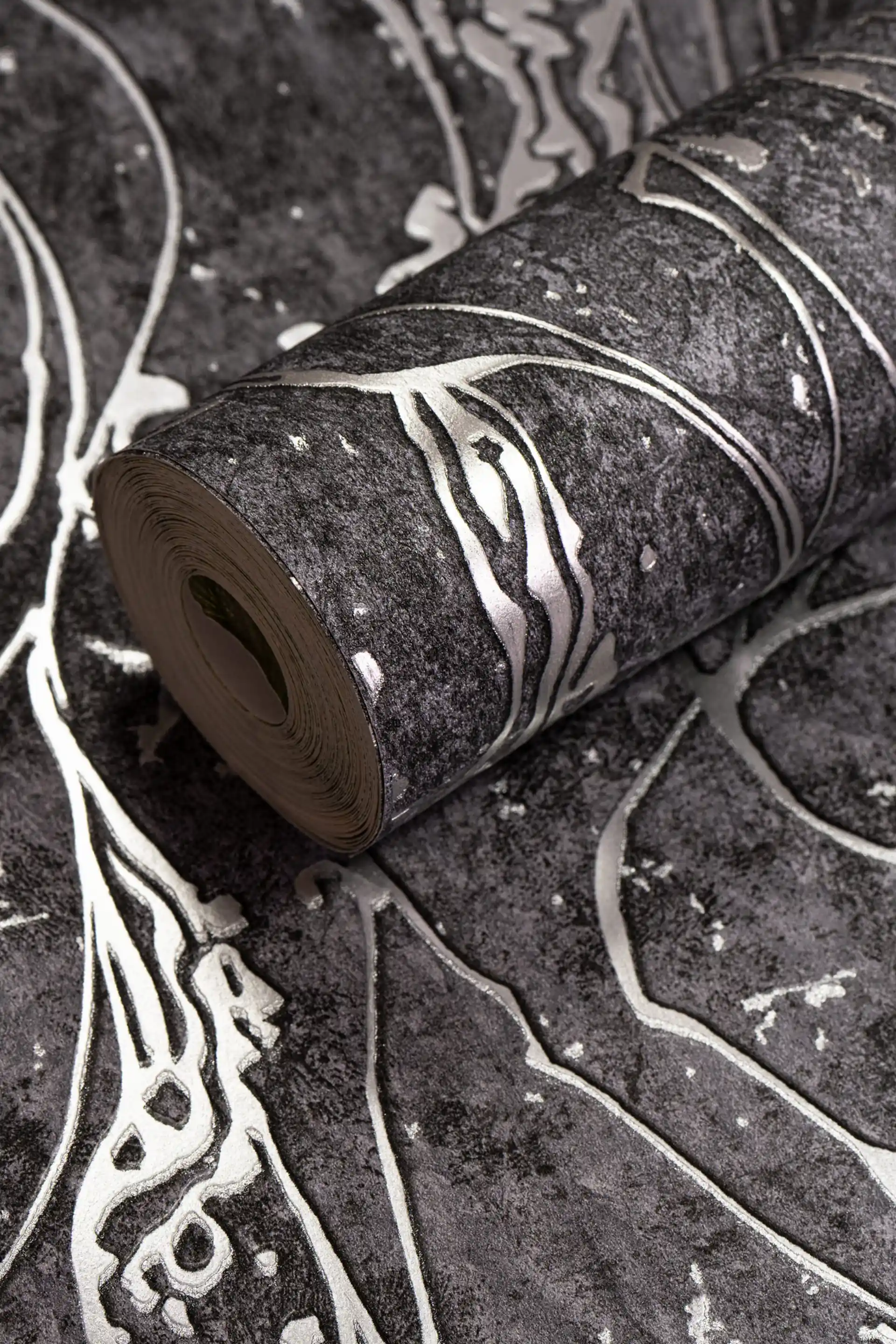
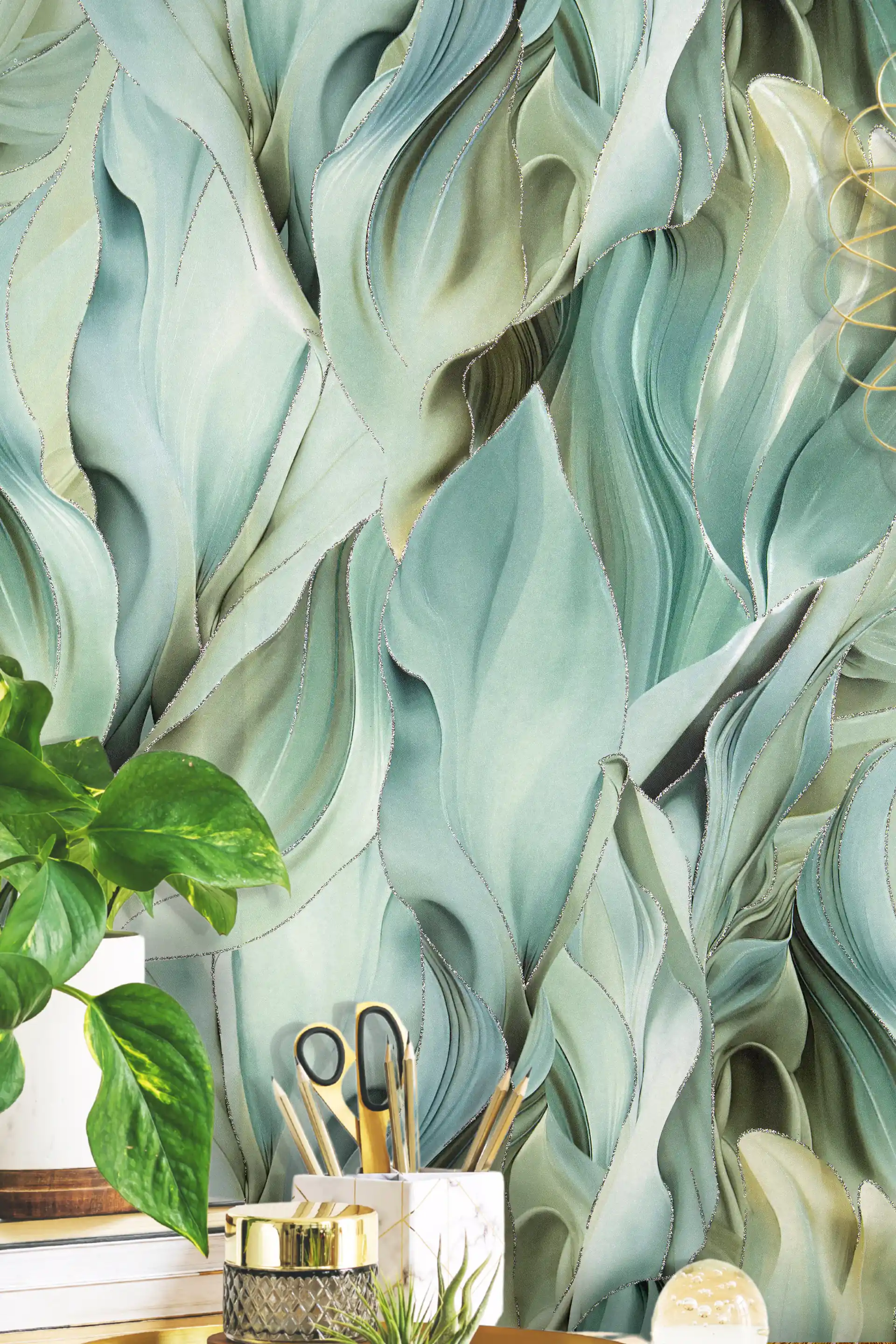
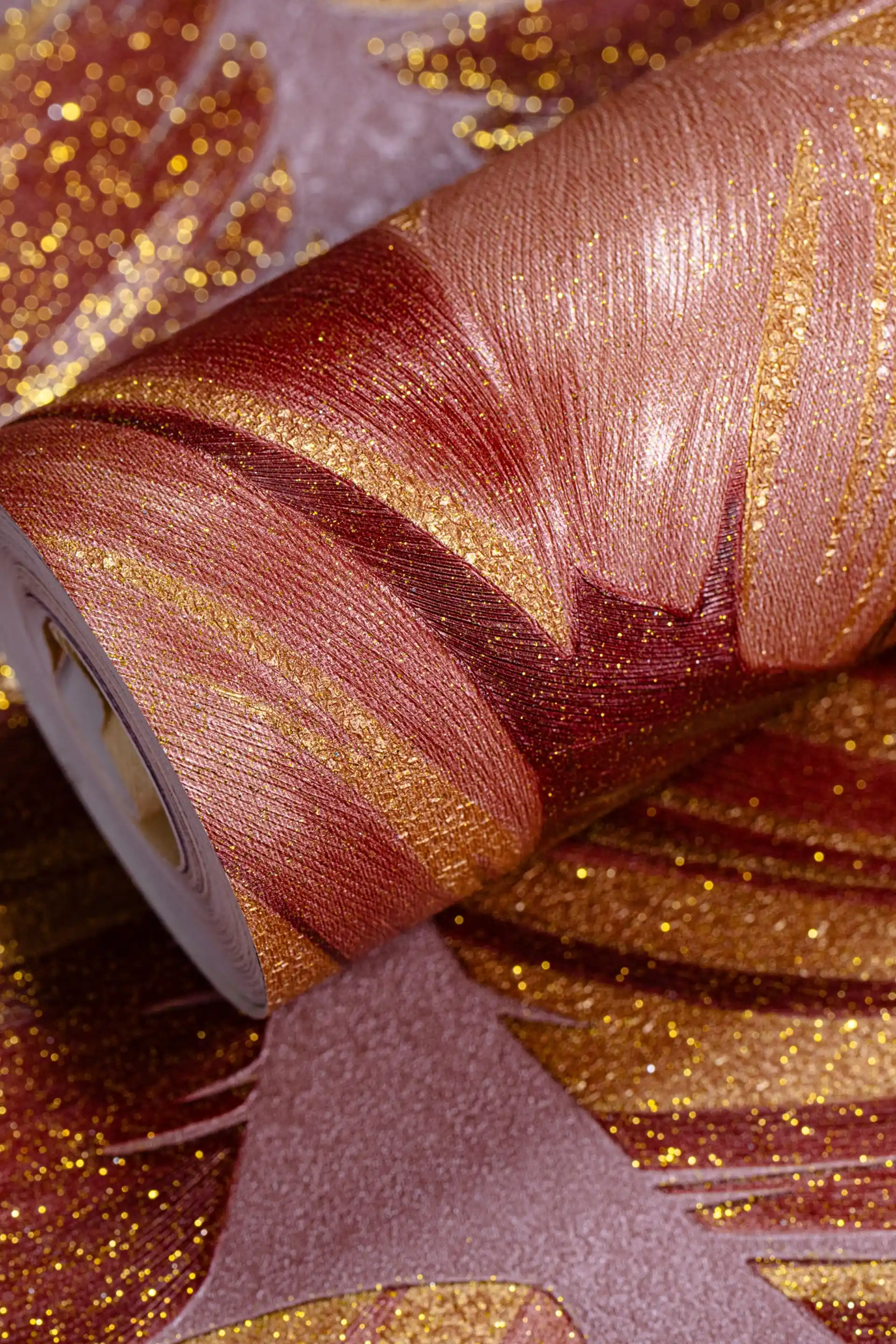
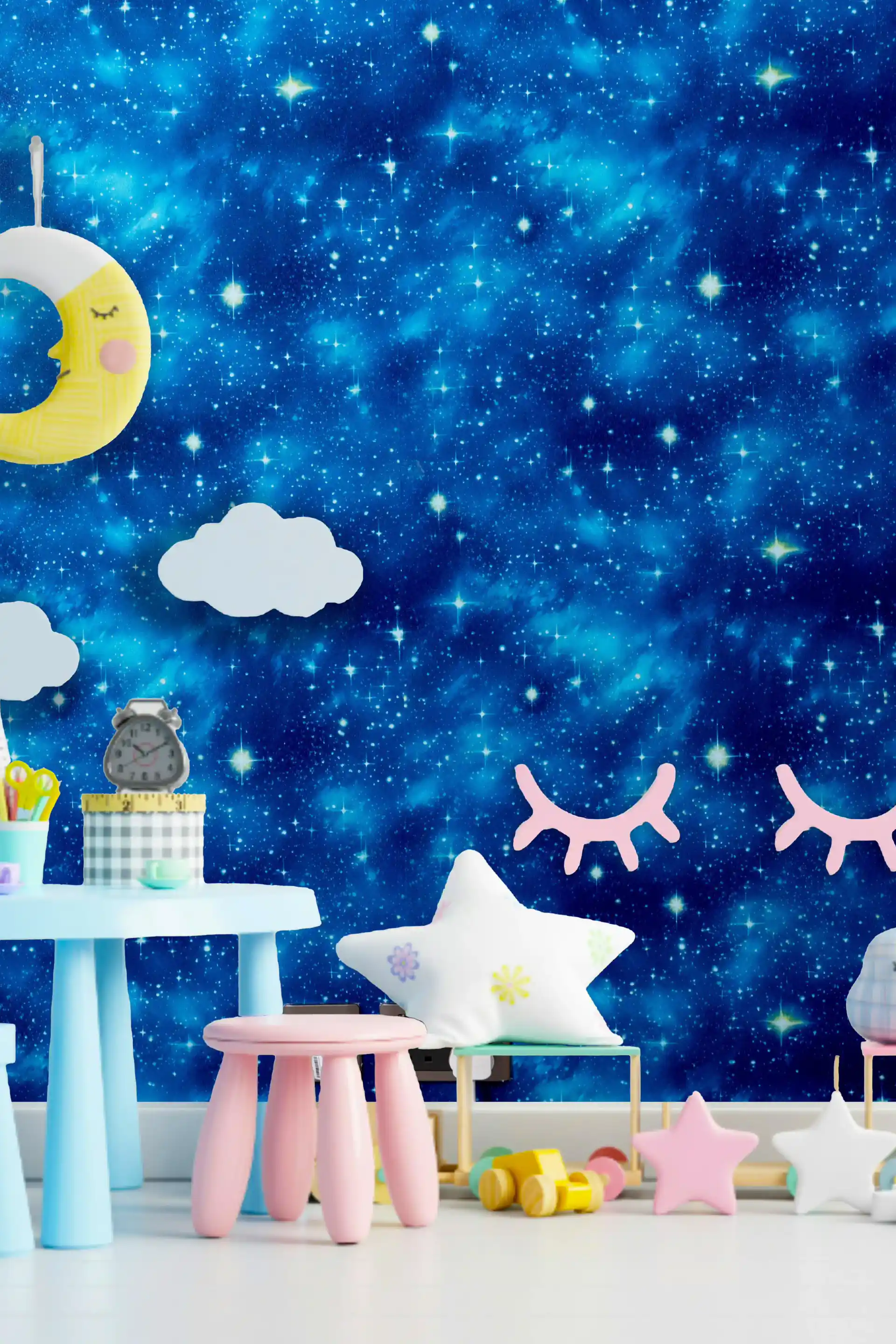

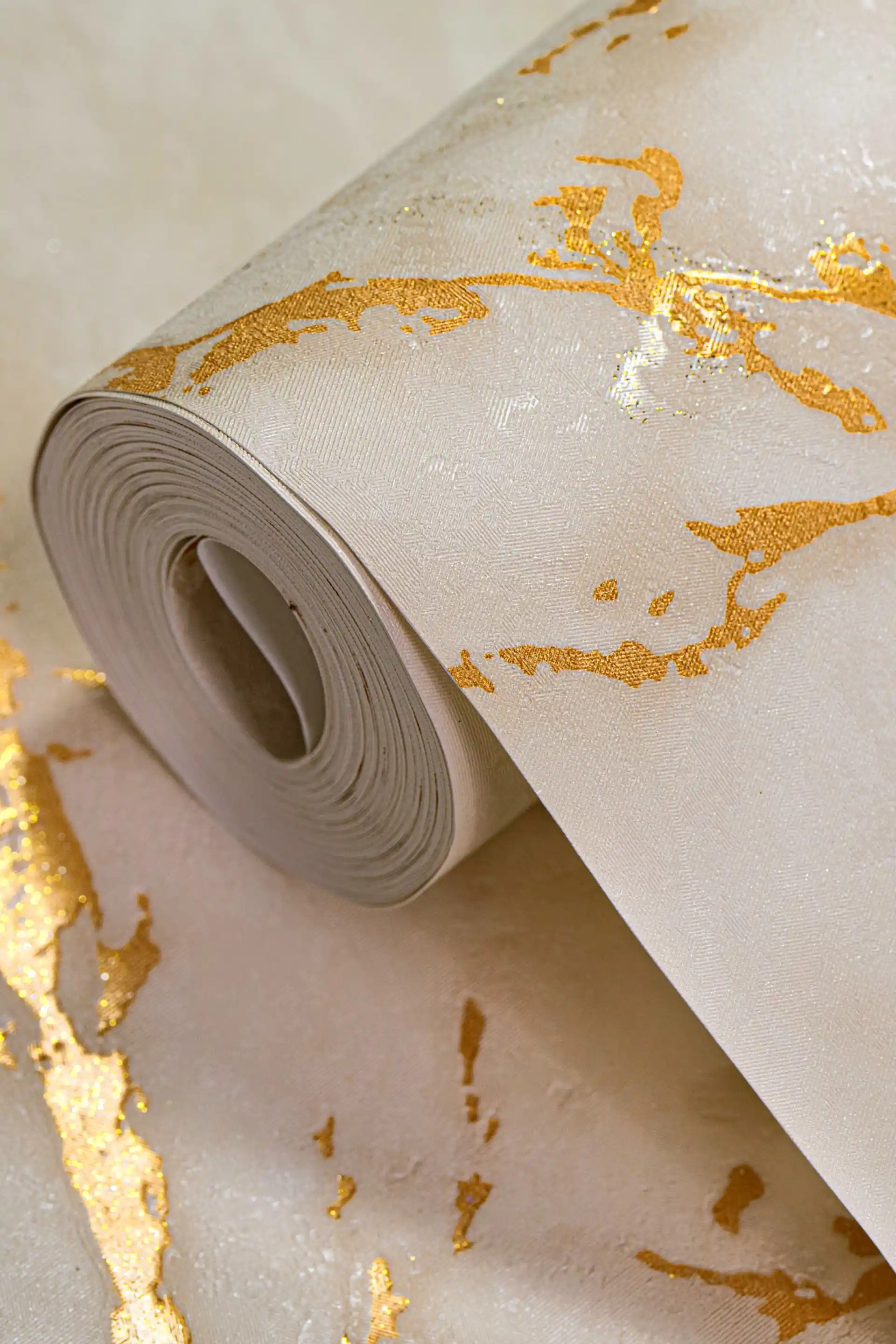
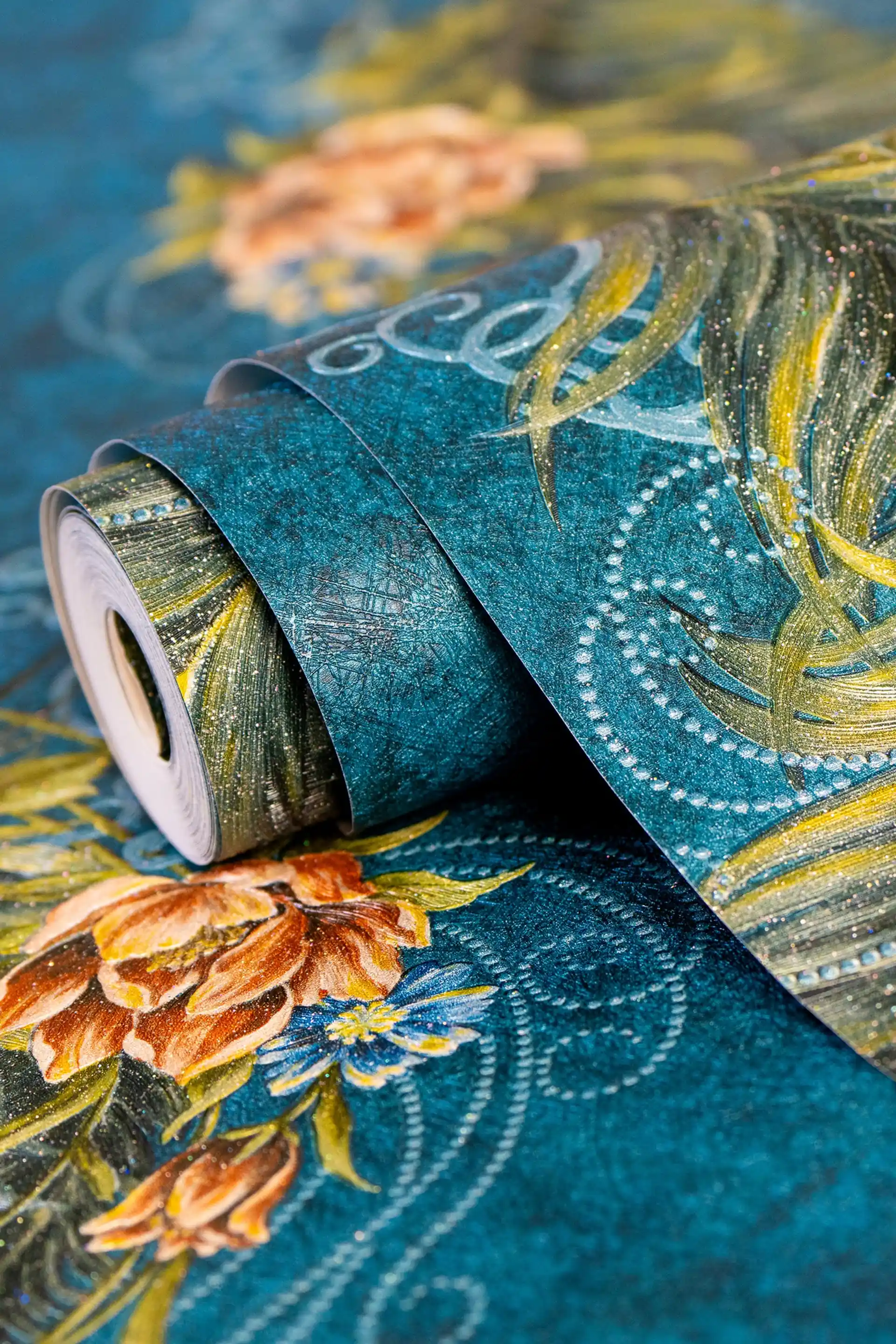
Choosing wallpapers over painting has become a popular switch in recent years. You can pick from endless options of colours, patterns, and textures. However, people living in tropical areas like India may think twice before installing wallpaper instead of painting their walls.
It’s because poor-quality wallpaper can easily trap moisture and let mould grow between the wallpaper and the wall. If you choose a high-quality, non-woven wallpaper, it will last for more than 15 years.
In this article, you’ll learn all the details about the durability of wallpaper, the factors that affect its lifespan, whether it’s worth installing, and more. Let’s get into the details!
What’s The Average Lifespan of Wallpaper in Indian Homes?
Usually, wallpaper lasts more than 15 years in India. However, you may notice major peeling or fading in wallpaper if it’s not made from high-quality materials. India has high humidity in the monsoon season, which is another reason for traditional wallpaper to peel soon.
If a wallpaper’s adhesion to the wall is strong enough, you don’t have to worry about the moisture ruining the wallpaper. Also, if you choose a non-woven wallpaper that’s tear-resistant, doesn’t shrink or expand, it would be the perfect choice for any high-traffic areas where moisture or other climatic conditions are a concern.
Choosing the right type of wallpaper, keeping it clean, and maintaining proper ventilation help extend its lifespan and keep it looking fresh for even decades. Sometimes, you may have to re-glue down some corners of the wallpaper for a neat appearance. It will help prevent further peeling over time.
Factors That Affect Wallpaper Longevity in India
In this section, we will cover some important factors that are the answer to this question: “How long does wallpaper last?”
Climate and Humidity
High humidity can make the wallpaper’s adhesive weak and cause bubbling, peeling, or mould growth. If you live in coastal or humid regions, your wallpaper may wear or tear faster than that in dry climates. For this, you have to choose a washable wallpaper that resists moisture.
Wallpaper Material
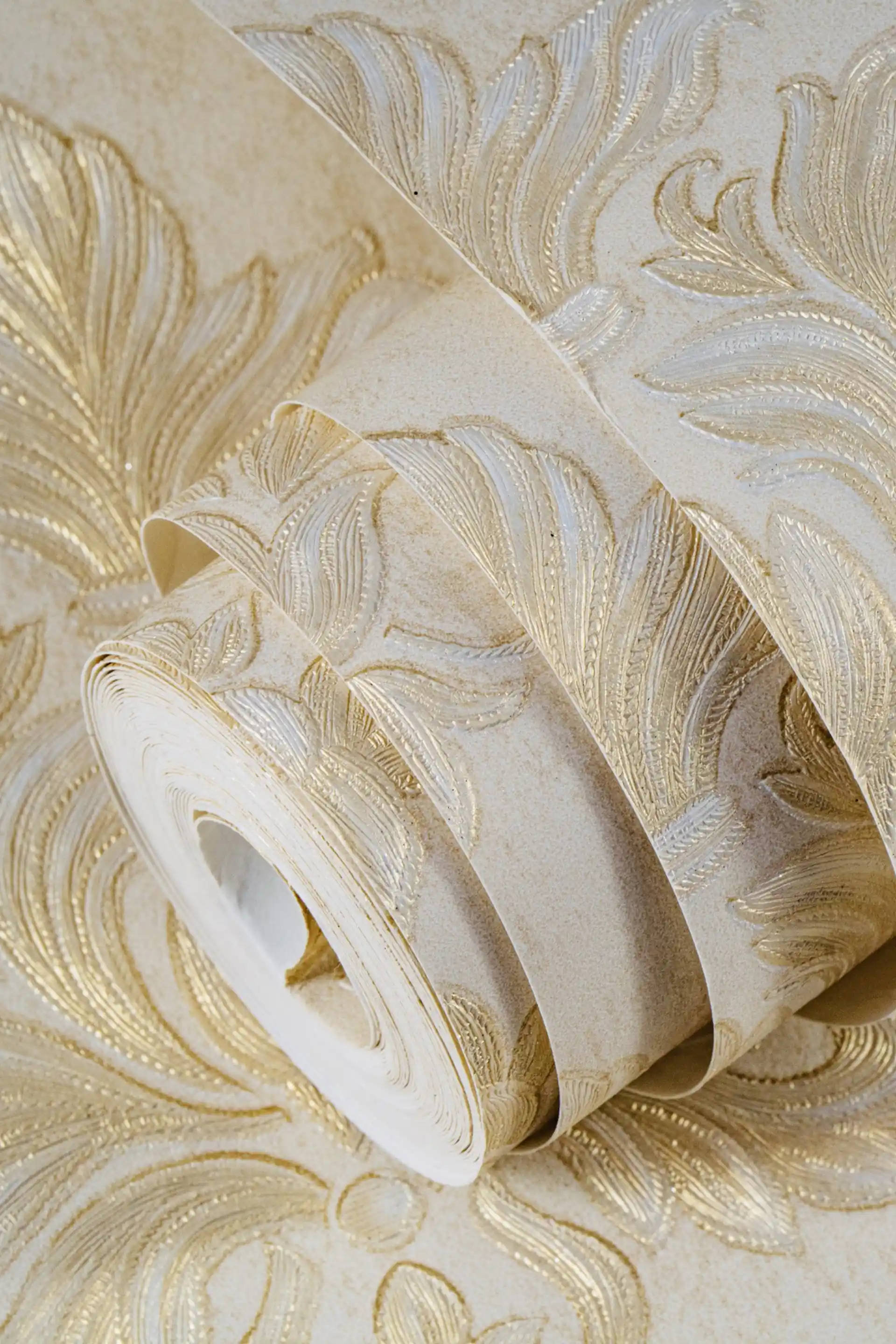
On the other hand, non-woven wallpapers are a more durable choice for Indian conditions. They are made from a combination of natural and synthetic fibres. These wallpapers do not absorb water and are tear-resistant, breathable, and washable. Their breathability also helps prevent moisture from getting trapped between the wallpaper and the wall.
These unique features of the wallpapers let them stay firmly in place even with changes in temperature and humidity.
Surface Preparation
Surface preparation is a non-negotiable factor affecting how long the life of wallpaper is. Even high-quality wallpaper can perform poorly if you don’t prepare the wall properly before installation.
For the best result, wipe the wall to remove any dust. Fill any crack or hole with wall putty to level the area. When the surface is dry, sand it to make the wall smooth. Then, apply a primer or any protective coating to improve adhesion and durability.
Wallpaper or Paint: Which is Longer-Lasting in India?
Both wallpaper and paint last long, but their durability depends on the local climate, the quality of the product, and how well the wall is prepared.
Wallpaper’s Longevity
Wallpaper can also be a great option, only if you choose the right type and material. For example, non-woven wallpapers and vinyl-coated ones are a superior choice for any high-traffic, humid areas where traditional wallpapers do not work well.
Vinyl directly repels moisture, and it’s resistant to peeling and air bubbles. Non-woven wallpapers are highly resistant to moisture, breathable, and do not swell, shrink, or tear in the presence of moisture.
So, if you install the right wallpaper and maintain it properly, it can last as long as 15 years.
Paint’s Longevity
Paint is a popular choice in India since it performs well in areas that are open to direct sunlight, high heat, and moisture. In India’s high-humidity climate, regular, low-quality wallpaper can peel or bubble if moisture gets trapped behind it.
For this, paint is widely used in kitchens, bathrooms, and outdoor walls. If you use premium acrylic paints and apply them to properly prepared walls, they can last 8-10 years.
Is Investing in Wallpaper Worth It for Indian Homes?
Yes, wallpaper is a good long-term investment in India. Although the initial cost of wallpaper is higher compared to painting, it is still cheaper considering the durability and overall value.
For example, a non-woven wallpaper roll (53 cm × 9.5 m) covers 54 sq. ft. This makes it suitable for feature walls or specific room sections. If it costs ₹1,500 per roll, the wallpaper is a one-time cost with long-term visual impact.
So, wallpaper will last longer, and you don’t have to spend much on its maintenance.
How to Choose The Right Wallpaper for Indian Homes
Before we wrap up, here are some tips to choose the perfect wallpaper for your home.
Room-Wise Wallpaper Selection
The pattern and colour of wallpaper you should choose depends on the room’s function. Living rooms should have bold, vibrant wallpapers that are easy to draw attention to. And, you can choose calm and soothing patterns for relaxation in bedrooms.
Material of The Wallpaper
The material should be long-lasting, tear-resistant, and easy to maintain. Non-woven wallpapers tick all the boxes above.
Vinyl wallpapers are waterproof and easy to clean. Most users use them for kitchens and bathrooms. If you want a budget-friendly option (which is not that durable, though), paper-based wallpapers are the perfect pick.
Colour and Design
Do you want to make rooms feel larger? If yes, go for light shades and small patterns. For bigger spaces and feature walls, choosing bold colours or large patterns is better. Traditional Indian homes look great with ethnic patterns such as mandala, floral, or paisley designs.
Installation and Wall Preparation
Proper installation and wall preparation are important for a lasting finish. Make sure the walls are dry, smooth, and free from cracks. Otherwise, there are chances of bubbles, peeling, or shrinkage.
Non-woven wallpapers are easy to apply with adhesive and can be removed without damaging the walls. Although installing non-woven wallpapers is simple, seek professional help if you have zero idea about proper alignment.
FAQs
What Are The Disadvantages Of Wallpaper?
Wallpaper can be costly upfront and difficult to install or remove. Poor-quality wallpaper can easily peel in humid areas and show damage more easily over time.
Is Wallpaper Good For Walls In India?
Yes, wallpaper is good for walls in India when you choose the right type. High-quality wallpaper that is moisture-resistant and easy-to-maintain performs well in Indian climate conditions.
Is It Cheaper To Paint OrWallpaper?
Painting is cheaper upfront, while wallpaper costs more initially. However, high-quality wallpaper lasts longer and requires less maintenance, which makes it cost-effective over time.
Does Wallpaper Stop Seepage?
No, wallpaper does not stop seepage or dampness. Applying wallpaper on damp walls can trap moisture and cause peeling. Once you fix the moisture problem of the wall, breathable and damp-proof wallpapers will work for those places.
Verdict
Thanks for being with us till the end. Hopefully, you’re no longer confused about “How long does wallpaper last in India?”
The longevity of wallpapers depends on climate, wall condition, material quality, and maintenance. High-quality wallpapers, such as non-woven or vinyl types, can last many years if you install them properly.
Choose moisture-resistant wallpaper, prepare the walls correctly, and clean gently to have a long journey with wallpaper.
 Share
Share